
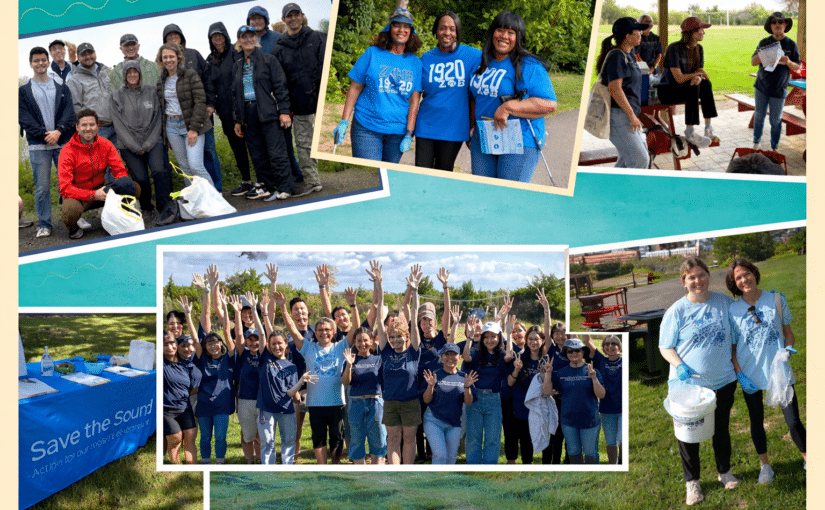
NEW HAVEN, CT (March 23, 2026) — Save the Sound reported that 2,414 volunteers collected 11,541 pounds of trash during 98 cleanups at beaches, lakes and parks across Connecticut and New York in 2025, continuing long-standing trends in the most common types of litter found.
According to the organization’s 2025 cleanup data, volunteers removed thousands of individual items, with cigarette butts (18,321), food wrappers (10,741), bottle caps (12,718 plastic and metal combined), and small plastic pieces (8,067) again ranking as the most common debris collected. Save the Sound said these have remained the top categories for the past nine years.
Since 2002, Save the Sound has served as the official Connecticut coordinator for the Ocean Conservancy’s International Coastal Cleanup. The group said it has expanded year-round cleanup efforts in Connecticut and added additional cleanups in New York beyond the annual event to broaden its impact across the Long Island Sound region.
“Cleanups like these have many environmental benefits, such as removing items that can leach chemicals into the ground and our waterways and preventing discarded fishing lines from entangling wildlife,” said Save the Sound cleanup coordinator Annalisa Paltauf. “It has a real impact, brings people together, and encourages good stewardship of our region.”
The 2026 cleanup season is scheduled to begin with Earth Day events on Saturday, April 18, from 10:30 a.m. to 12 p.m. at Long Wharf in New Haven, Connecticut; Harbor Island Park in Mamaroneck, New York; and Harborfront Park in Port Jefferson, New York.
Volunteers can register for the Earth Day cleanups at https://www.savethesound.org/earthmonthcleanups/.
The organization said the 2025 cleanup season was sponsored by Subaru of New England, FactSet Charitable Foundation, Arvinas, Beiersdorf, Neuberger Berman, and PKF O’Connor Davies.
This article was prepared with the assistance of AI tools under the direction and editing of Robert Cox.
Have information about this story? Email robertcox@talkofthesound (preferred) or contact via WhatsApp: +353 089 972 0669.
Every mile of roadway generates at least 20 large plastic bags of trash that works its way into our oceans. It becomes micro-plastic and 1000Xs more toxoc than the ambiant water with PCBs displacing plankton as the begining of the planets food chain. It feeds fish, fish feeds us, our cows, pigs, chickens and pets. Plankton permanatly sequesters most our CO2 and converts it to most our oxygen. As plankton goes all life will soon follow and it may be beyond the point of no return within 20 years.